



The Roman School
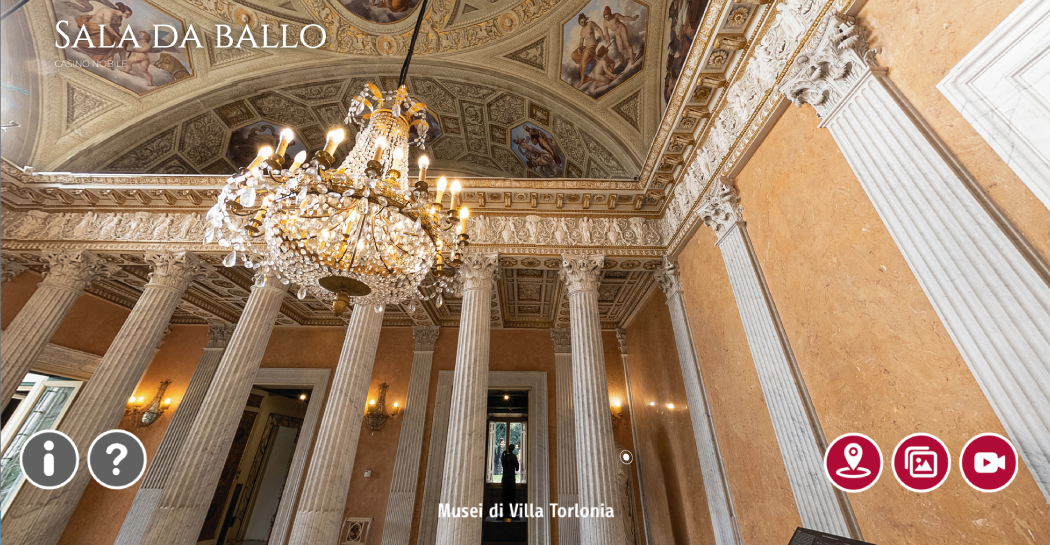
Established in 2006, the Roman School Museum was set up in the restored rooms on the second floor of the Casino Nobile of Villa Torlonia, which originally served as service areas or bedrooms.
The project was the result of a collaboration between the Capitoline institutions and the historic Archivio della Scuola Romana association, founded in 1983 by gallery owner Netta Vespignani, who, with the help of scholars, artists' heirs and collectors, succeeded in promoting and drawing attention to the movements and figures that characterised artistic life in Rome during the interwar period.
In keeping with that experience, the nascent museum aimed to offer the public an overview of one of the most interesting and vital moments in 20th-century Italian art: figurative research in Rome in the period between the First and Second World Wars. The works on display were donated or loaned by the heirs and various collectors involved in the project, thus allowing the public to enjoy masterpieces that would otherwise have remained in private collections.
In 2025, the museum will be completely redesigned according to more modern museographic criteria, rethinking its historical and artistic narrative thanks to the introduction of new works that will increase the collection or, in some cases, replace works that are no longer present.
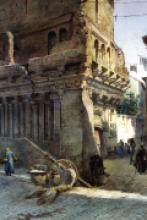
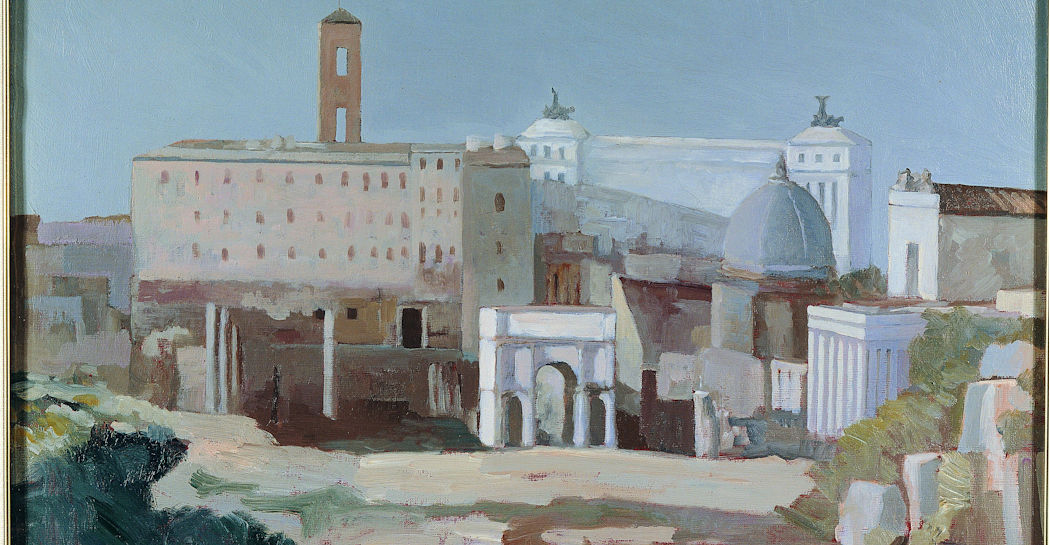
The new layout is designed around thematic sections representing the main creative contexts and artistic languages of the historical period under consideration, with a special focus on the city of Rome, its views and the transformations it has undergone in decades of major urban, political and social change.
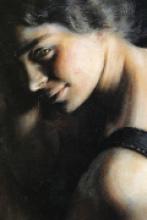
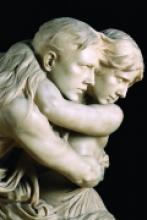
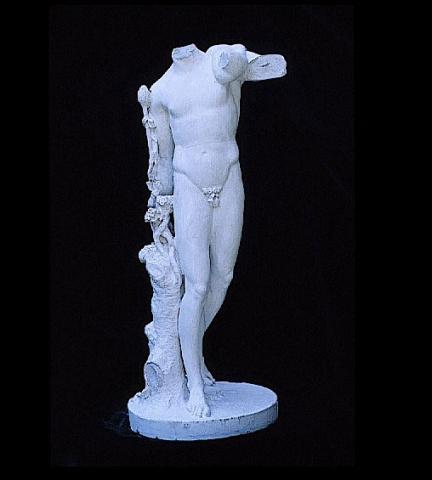
The exhibits provide a historical and artistic context for the interwar period in Rome, accompanying visitors on a journey through ROMAN LANDSCAPES and CONSTRUCTION SITES, helping them understand the changes in a modern CITY WITHOUT MYTHS, and imagine places and characters, including the artistic circles of the SCUOLA DI VIA CAVOUR and VILLA STROHL FERN, as well as purely stylistic insights into the different ways of representing FACES and BODIES and ARTISTIC LANGUAGES BETWEEN THE TWO WARS.
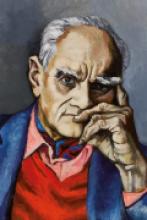
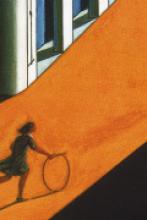
On display are over 150 works, including paintings, sculptures, drawings and engravings, which, in the general climate of the interwar period of a "Return to Order" and to Italian pictorial tradition, range from new trends in painting, such as "Magical Realism", with artists such as Antonio Donghi, Francesco Trombadori and Riccardo Francalancia, to visionary expressionism, as seen in Ferruccio Ferrazzi and the artists of the Scuola di Via Cavour, with works by Mario Mafai and Antonietta Raphaël, to the so-called tonalist painters, such as Corrado Cagli, Giuseppe Capogrossi, Emanuele Cavalli, Roberto Melli and Guglielmo Janni, to encounter those artists who, in the aftermath of the Second World War, developed a new realist language, such as Alberto Ziveri, Fausto Pirandello, Renato Guttuso and the young Renzo Vespignani. There are also leading figures in the field of sculpture, such as Pericle Fazzini, Mirko Basaldella, Leoncillo Leonardi and a master engraver such as Luigi Bartolini.
An integral part of the Roman School Museum is the collection of works by Francesco Ingrao and his wife Ksenija, which became part of the Capitoline collections in 2011 thanks to a donation by Mirjana Jovic (Ksenija's sister) and is currently not on display. The donated works are evidence of an intimate and amateur collection. They are signed by some of the major artists active in Italy after World War II: from the "elders" Mario Mafai, Mirko Basaldella, Corrado Cagli, Renato Guttuso, Luigi Bartolini, Mino Maccari and Nino Bertoletti to the protagonists of the second half of the 20th century, Alberto Burri, Giulio Turcato, Sebastian Matta and Pietro Consagra.